Understanding Emerald Ash Borer (EAB): Signs, Prevention, and the Importance of Acting Fast
As a tree service company committed to the health and safety of trees in Centennial, Colorado, we at Root Tree Service continually monitor emerging threats to our urban forests. One of the most significant threats currently facing ash trees across Colorado is the Emerald Ash Borer (EAB). This invasive pest has a devastating 100% fatality rate for infested ash trees, making early detection and prevention crucial for homeowners and communities alike.
What is the Emerald Ash Borer?
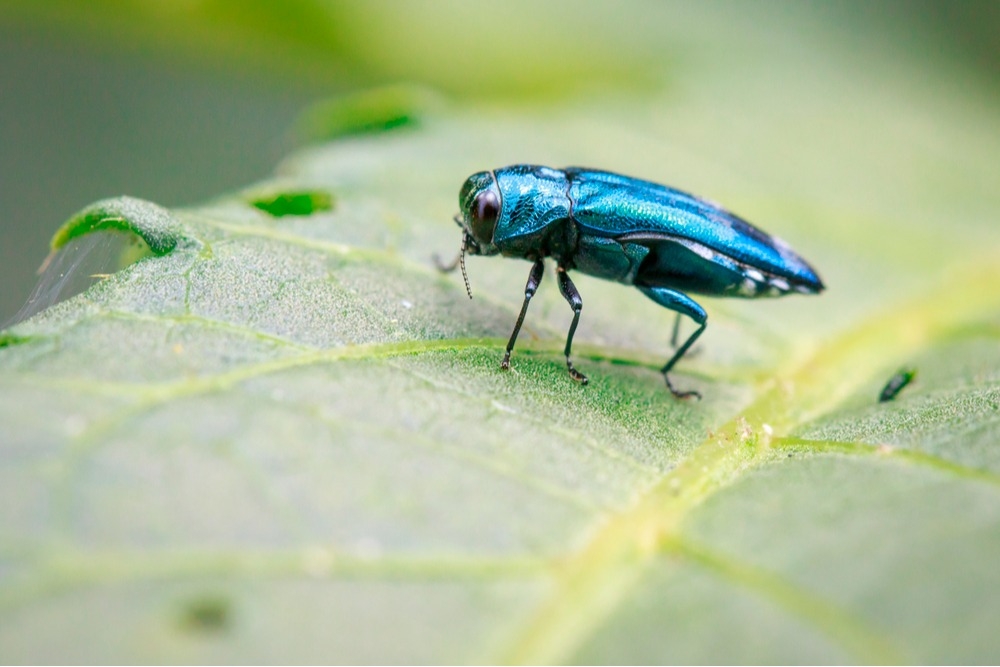
The Emerald Ash Borer is a small, metallic-green beetle that originated in Asia. It was first discovered in the U.S. in 2002 and has since spread to several states, including Colorado. This pest specifically targets ash trees, inflicting severe damage and often leading to their demise. Unfortunately, many homes in Centennial, Colorado, and surrounding areas have ash trees at risk, underscoring the need for awareness and action.
Signs of EAB Infestation
Detecting an EAB infestation early is critical to managing the problem before it spirals out of control. Here are some tell-tale signs to watch for:
Prevention Strategies
Preventing an EAB infestation is far more effective and less costly than dealing with a full-blown infestation. Here are some preventive measures that can help protect your ash trees:
Emerald Ash Borer poses a serious threat to our urban forest. Given its 100% fatality rate for infested trees, awareness and timely action are key. If you suspect that your trees may be at risk, we encourage you to contact Root Tree Service for expert advice and assistance. Our experienced team can help you implement a monitoring plan, recommend appropriate treatment options, and provide safe tree removal services if necessary.
Protecting your trees is not just about their aesthetics; it's also about preserving the natural beauty and health of our communities for generations to come. By taking proactive steps to protect your ash trees from Emerald Ash Borer (EAB), you can help safeguard your precious trees and maintain the vibrancy of your landscape.
For more information about EAB or to schedule a Free consultation, reach out to Root Tree Service today at 720.369.2963 or Via Our Website
Go Back What is the Emerald Ash Borer?
The Emerald Ash Borer is a small, metallic-green beetle that originated in Asia. It was first discovered in the U.S. in 2002 and has since spread to several states, including Colorado. This pest specifically targets ash trees, inflicting severe damage and often leading to their demise. Unfortunately, many homes in Centennial, Colorado, and surrounding areas have ash trees at risk, underscoring the need for awareness and action.
Signs of EAB Infestation
Detecting an EAB infestation early is critical to managing the problem before it spirals out of control. Here are some tell-tale signs to watch for:
- D-shaped Exit Holes: One of the most noticeable signs of EAB is the small, D-shaped holes in the bark, created when adult beetles exit the tree.
- Streaking or Splitting Bark: Look for unusual vertical splits or streaks in the bark. These may indicate that the larvae are burrowing underneath.
- Canopy Decline: Watch for thinning or dying leaves in the upper canopy of the tree. EAB infestations usually affect the topmost branches first.
- Suckering: In some cases, you might observe increased sucker growth at the base of the tree. This is the tree's attempt to survive despite the beetles' damage.
- Woodpecker Activity: Increased woodpecker activity on your ash tree can be another indicator of an EAB problem since woodpeckers feed on the larvae.
Prevention Strategies
Preventing an EAB infestation is far more effective and less costly than dealing with a full-blown infestation. Here are some preventive measures that can help protect your ash trees:
- Monitoring: Regularly inspect your ash trees for the signs mentioned above. Early detection can significantly improve management options.
- Chemical Treatments: Several insecticidal treatments are available to protect your ash trees if applied preventively. Consult with a certified arborist to determine the best options for your situation.
- Healthy Trees: Ensure your ash trees remain healthy by providing proper care, such as watering during droughts and pruning dead or damaged branches. Healthy trees are more resilient against pests.
- Community Awareness: Engage with your neighbors and local community about the importance of EAB awareness and prevention. Collaborative efforts can lead to more effective management across the neighborhood.
- Proper Tree Removal: If an ash tree is infested, you must consult professionals for safe removal to prevent the spread of EAB to healthy trees.
Emerald Ash Borer poses a serious threat to our urban forest. Given its 100% fatality rate for infested trees, awareness and timely action are key. If you suspect that your trees may be at risk, we encourage you to contact Root Tree Service for expert advice and assistance. Our experienced team can help you implement a monitoring plan, recommend appropriate treatment options, and provide safe tree removal services if necessary.
Protecting your trees is not just about their aesthetics; it's also about preserving the natural beauty and health of our communities for generations to come. By taking proactive steps to protect your ash trees from Emerald Ash Borer (EAB), you can help safeguard your precious trees and maintain the vibrancy of your landscape.
For more information about EAB or to schedule a Free consultation, reach out to Root Tree Service today at 720.369.2963 or Via Our Website